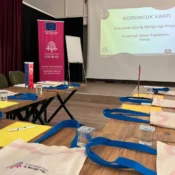


As part of the Family Return Psychosocial Support Modeling Project, which Koruncuk Foundation is carrying out with the support of the EU Civil Society Dialogue 5th Term Grant Program, a series of meetings were held with public institutions and civil society organizations in Belgium and Germany between February 6-16, 2020, in order to obtain information about social service processes in European Union countries.
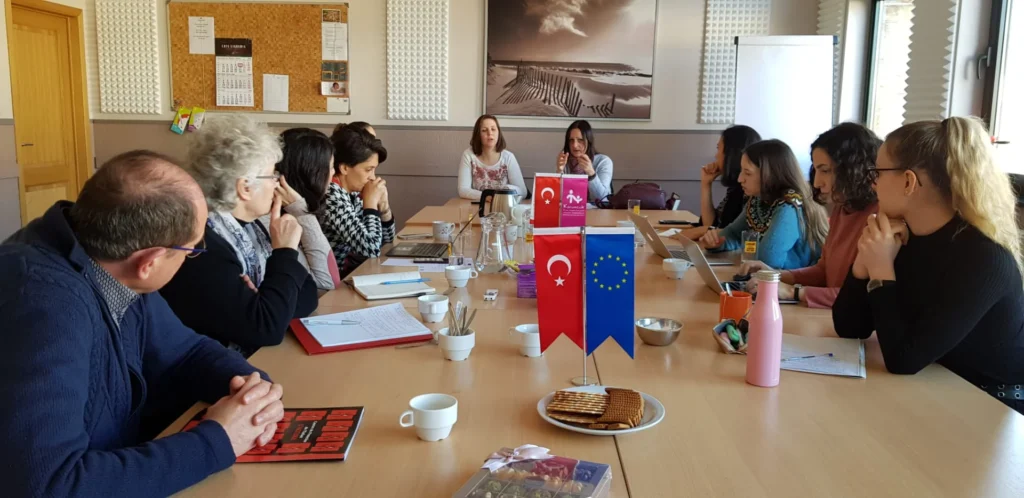
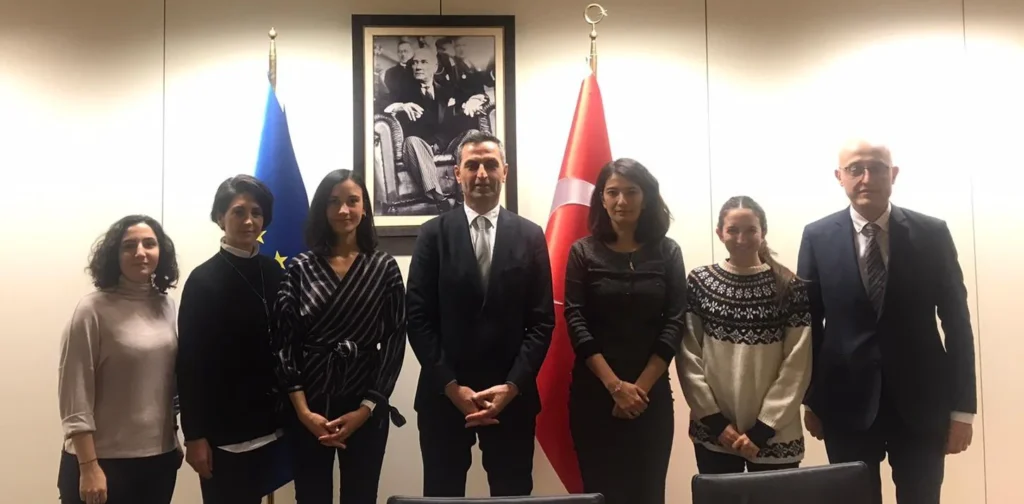
The first stop in the series of meetings attended by experts working on this issue at the Koruncuk Foundation was Belgium. The "Youth Assistance Services (SAJ)," which provides social services for children in the Brussels region, explained the child protection laws and the role of the social service system in Belgium. It was noted that while the state carries out work on preventing risks to children in Belgium, services for families and children in cases requiring intervention are provided by NGOs that work in coordination with SAJ and receive state funding. Following SAJ, a visit was made to the Institute de Medical Pedagogie (Medical Pedagogy Institute) in Charloi, which specifically serves children with special needs. Information was obtained here about the family's participation in the child's rehabilitation process and the multidisciplinary work carried out with families and children. After visiting L'accueil, a project partner that provides short-term care services for children aged 0-6 and works to strengthen families, a meeting was held with the Permanent Representation of Turkey in Brussels to provide information about the Koruncuk Foundation's work and the Return to Family Project.
BELGIUM – BRUSSELS
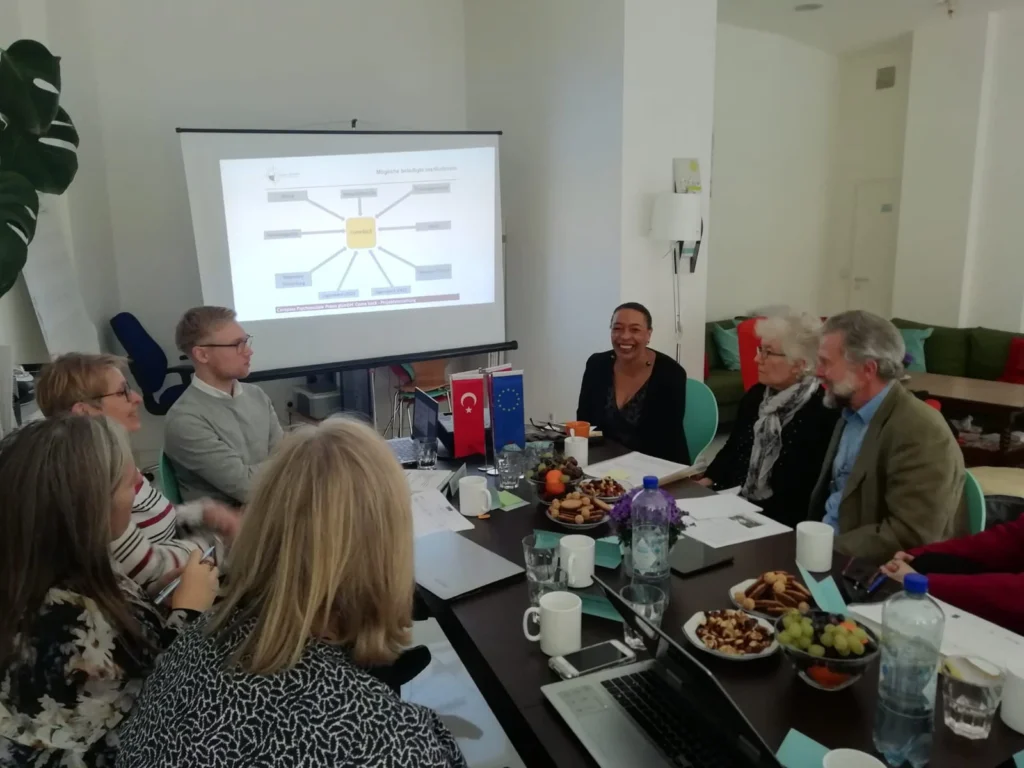
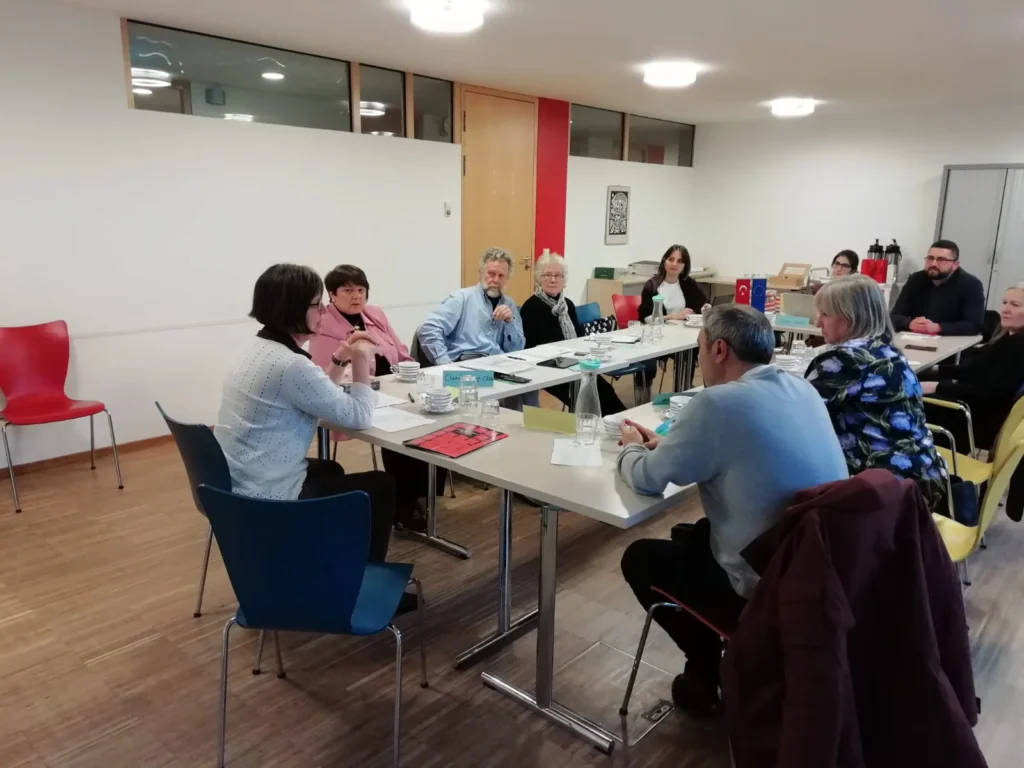
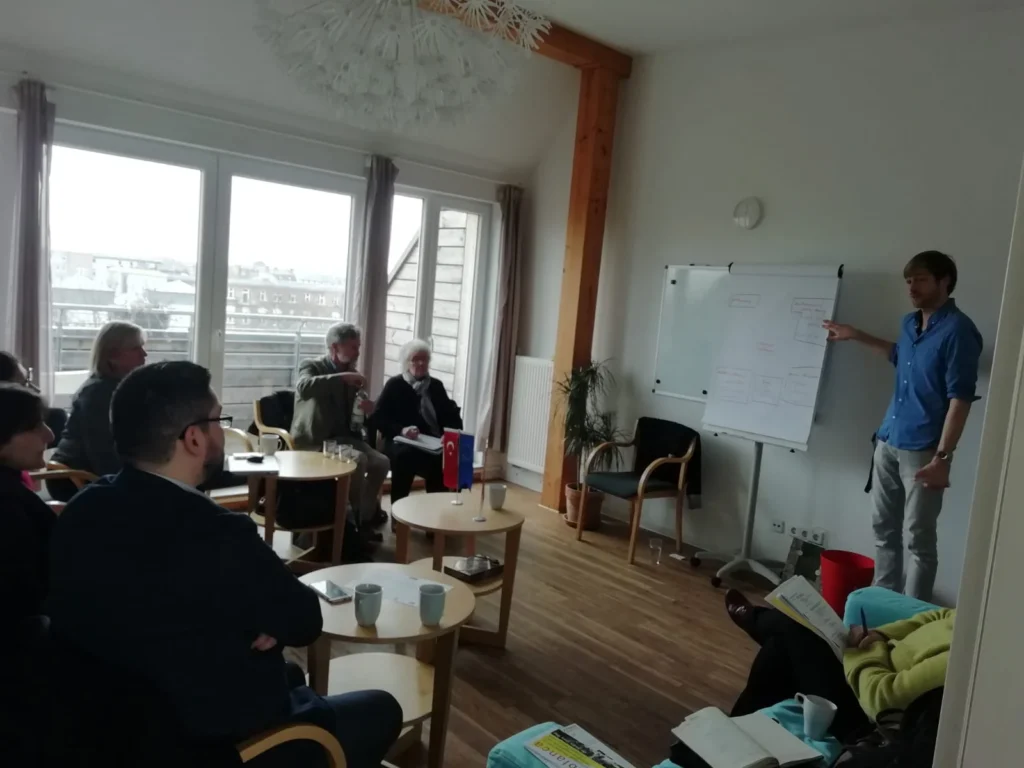
Following Belgium, the second stop was Berlin, Germany, where meetings were held with institutions implementing different child care models. In Berlin, meetings were held with the Berlin Youth Center (Jugendamt), responsible for the implementation of primary social services for children and families, including risk prevention, coordination of NGOs working in the social services sector in the region, and budget management; Compass and Casablanca, focusing on family-child reunification; Kinderschutz-Zentrum, providing short-term emergency care; SOS Kinderdorf, offering long-term care; and the municipal social services agency, which designs family communication and interaction programs in collaboration with universities. During these meetings, detailed information about the practices was obtained. Common features of these models include prioritizing risk prevention, placing the family at the center, considering the participation of children and families in decision-making processes, empowering the family, and focusing on ensuring the family's full cooperation. Furthermore, the social environment is included in the process to function as a protection and support mechanism.
The Family Return Psychosocial Support Modeling Project aims to contribute to the development of a model that meets the needs of our country and prioritizes the safety of the child, by examining these different care examples.
GERMANY – BERLIN