The key to success in child protection models is cooperation between the state and NGOs.
The 'Return to Family Psychosocial Support Modeling Project,' conducted by the Koruncuk Foundation in partnership with the Belgium-based L'accueil Child Protection Center, concluded with meetings held on December 3-4. Having examined successful examples from Europe, the Koruncuk Foundation presented its proposed model to experts for their review. The study indicates that child protection policies should not only focus on supporting the child but also strengthen their biological family. As a country's welfare level increases, protection policies that include the family are increasingly adopted.
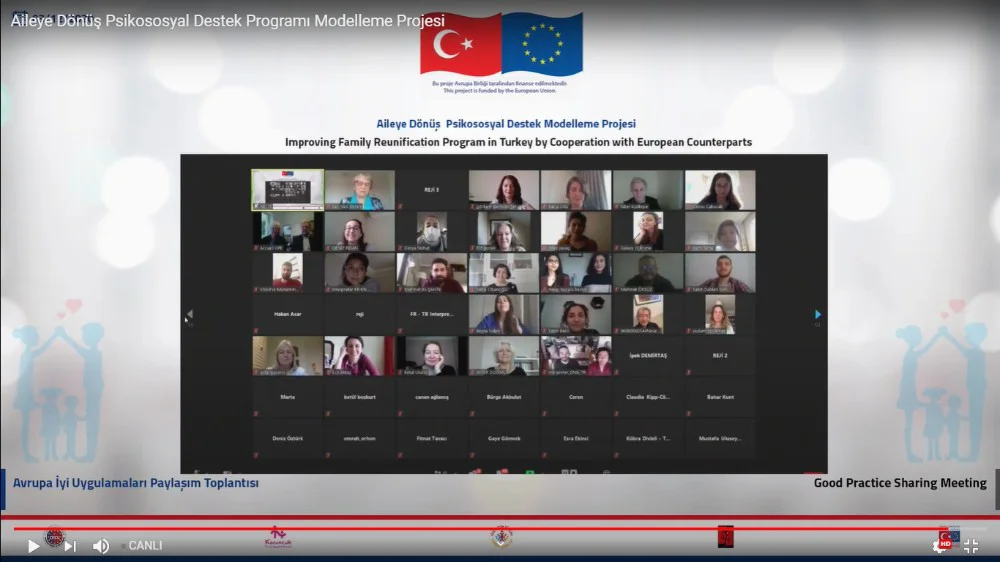
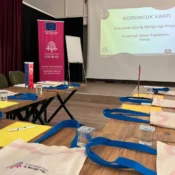
The Koruncuk Foundation's 'Return to Family Psychosocial Support Program Modeling Project (Return to Family Project),' implemented under the EU Civil Society Dialogue 5th Grant Program, was completed with the European Best Practices Sharing Meeting and Workshop Program held on December 3-4.
The final meeting of the Return to Family Project was held online with the participation of NGO representatives, field experts, and academics from Belgium, the Czech Republic, the Netherlands, the United Kingdom, and Türkiye.
On the first day of the meeting, civil society representatives from Europe shared their knowledge and experiences regarding social services and family strengthening programs implemented in their countries for the protection of children. On the second day, a workshop discussed the model proposal developed by the Koruncuk Foundation, based on information gathered through the project and expert opinions. The model addresses the problems faced by children returning to their families from institutional care from a holistic perspective, providing a detailed guide on how to meet the needs of both the child and the family, ensure their participation in decision-making, and take measures to maintain the child's well-being.
“"It's not enough to just support the child; the family must also be strengthened."”
They stated that they have developed preventive, protective and remedial support models in social, psychological and economic terms to ensure that children take their place in society as confident, productive and value-creating responsible individuals. Figen Özbek, Chairperson of the Board of Trustees and the Board of Directors of Koruncuk Foundation, He continued his remarks as follows:
“Our field studies conducted as part of the project showed us that the service models implemented in European countries are fundamentally similar. Almost all of them operate using a common process. Central governments determine the legal framework, while municipalities or local governments provide basic support. Through state-funded NGOs, decisions are made on how to support both the child and their family, based on the best interests of the child. The most important point here is that the family is an integral part of this process, and that the child and family are involved in decision-making at every stage. To protect the child and maintain their well-being, not only is the child supported, but families are also strengthened to ensure the continuation of this partnership.”
Özbek stated that they examined child protection practices in Germany, Belgium, Bulgaria, the Czech Republic, Finland, the Netherlands, and Lithuania, adding, “Our comparative country studies show that as the welfare level of a country increases, policies aimed at strengthening not only the child but also their biological family are increasingly adopted. Strong planning, cooperation, and oversight are carried out during the mobilization of available resources.”.
Successful examples in Europe point to strong cooperation between the state and NGOs.
They noted that successful examples in the countries they examined always pointed to strong cooperation between the state and NGOs. Figen Özbek, Chairperson of the Board of Trustees and the Board of Directors of Koruncuk Foundation, “With the ”Return to Family Project,’ we aim to introduce a model to our social service system in Türkiye’s EU accession process that integrates our social structure with best practices from the EU. Based on the findings of the project, we will share a program proposal with the Ministry and policymakers,” he said.
The Return to Family Project, conducted by the Koruncuk Foundation in partnership with the Belgium-based L'accueil Child Protection Center, aims to contribute to the development of a model that prioritizes the safety of children and is tailored to the needs of our country by examining different care examples for child protection.
This project, which aims to develop a model proposal, will be followed by another project of a similar nature. Accordingly, the Family Return Psychosocial Support Modeling study and the proposed service model will be implemented in real-time in the field with field experts.