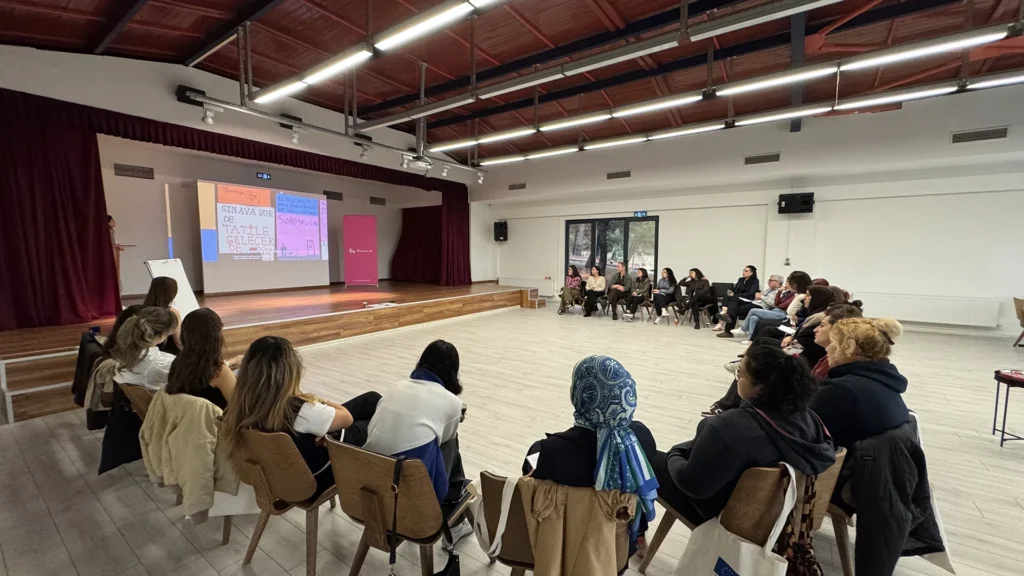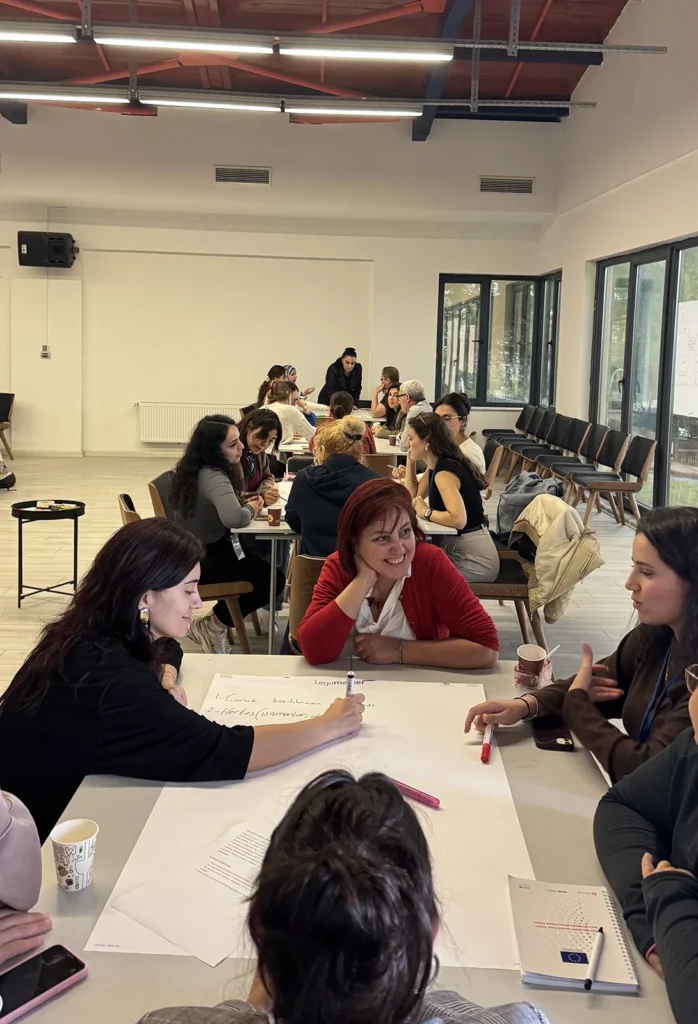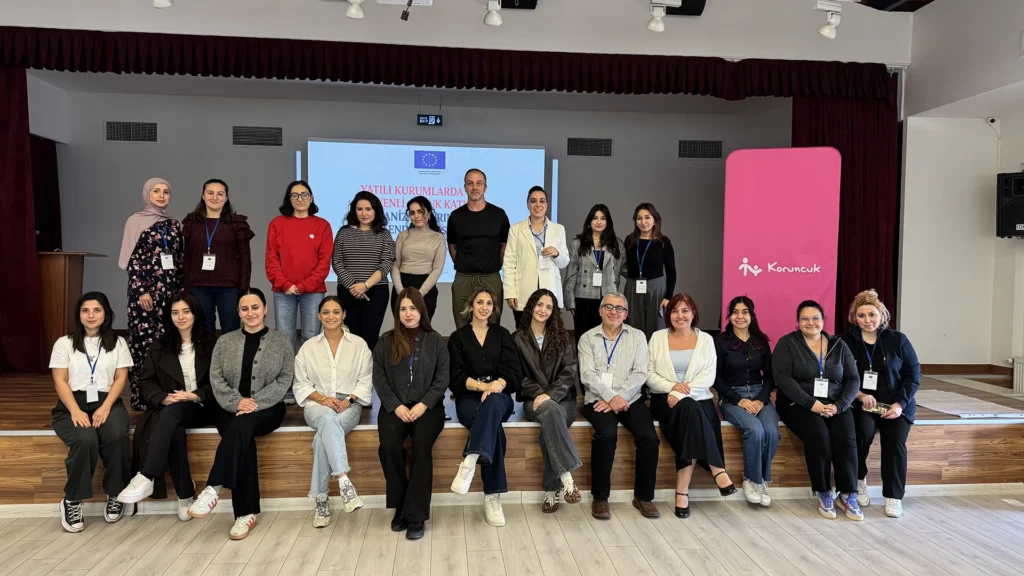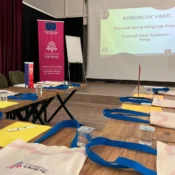


A three-day child participation training was held in Koruncukköy Bolluca with the participation of staff from four boarding institutions.
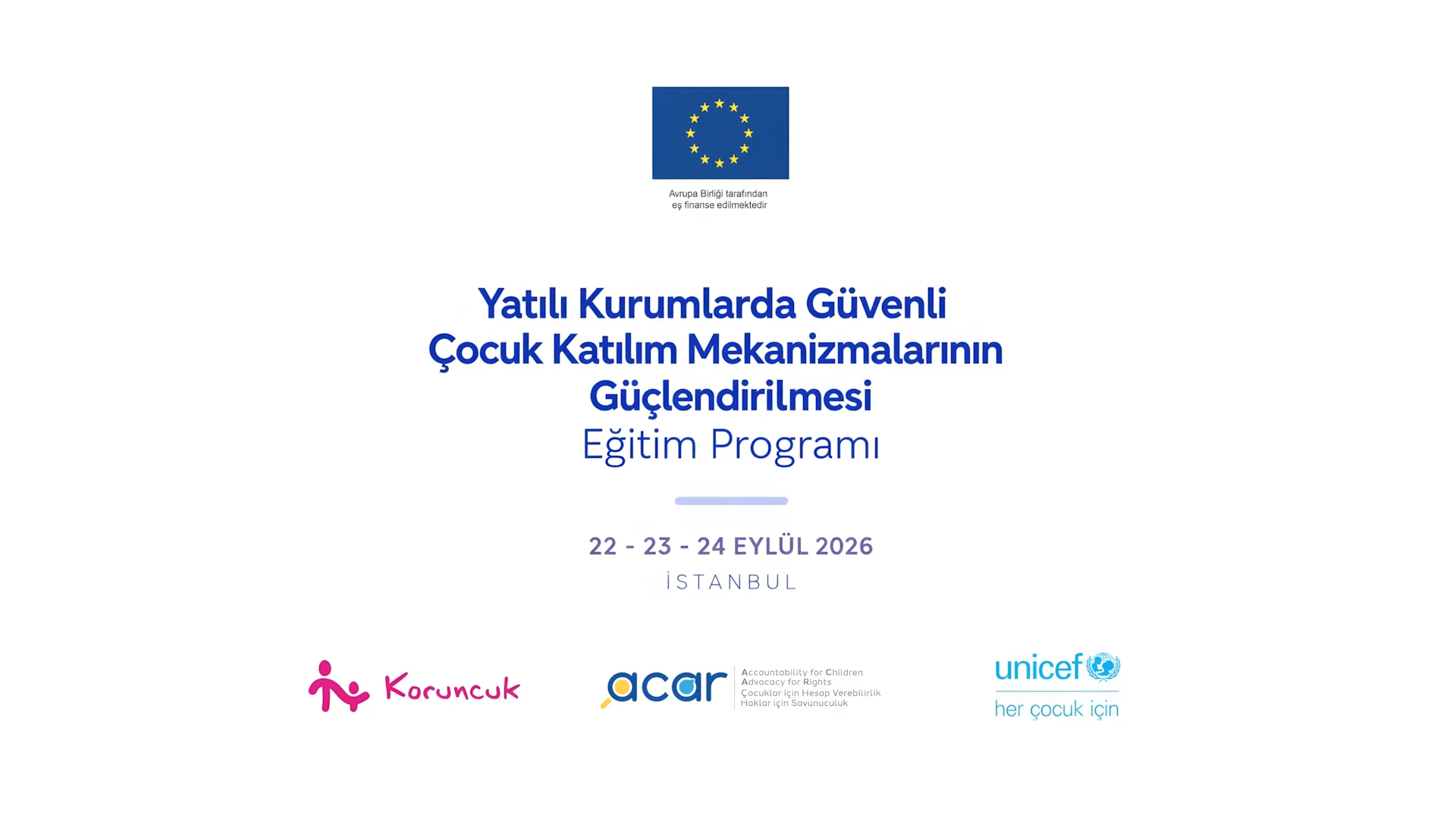
Within the framework of the ACAR Project, implemented by UNICEF with co-financing from the European Union and supported under the Cooperation Programme with Civil Society Organizations, a three-day training was held at Koruncukköy Bolluca between September 22-24, 2026, as part of the “Strengthening Safe Child Participation Mechanisms in Residential Institutions” project.
The training, attended by staff from Darüşşafaka Educational Institutions, TEV İnanç Türkeş Private High School, Nesin Foundation, and Koruncuk Foundation, addressed the necessary conditions and mechanisms for children in boarding institutions to express themselves, have their opinions considered, and participate meaningfully in decision-making processes.
What has been done in education?
Over the course of three days, work was carried out on the following topics:
- Fundamental principles of children's rights and child participation
- adult-child relationship
- Developing a culture of participation
- Safe and inclusive participation mechanisms
- Facilitation and participatory working methods with children.
In addition, practices supporting child participation in residential institutions, the challenges encountered, and approaches to ensuring the sustainability of participation mechanisms were evaluated. Enriched with case studies, group work, discussions, and experience sharing, the training provided participants with the opportunity to review practices in their own institutions and develop suggestions for strengthening these processes.
This study, which brings together the experiences of different boarding institutions, aims to contribute to the widespread adoption of safe, inclusive, and sustainable participation mechanisms where children can freely express their views, are listened to, and their views are reflected in decision-making processes. Koruncuk Foundation continues its efforts to strengthen institutional cultures where children's rights are protected and they can play an active role in decision-making processes.